Private Mobile Hibachi Chef at Home. We Serve Atlanta and Surrounding Areas.

The hibachi style of cooking, known for its theatrical flair and flavorful dishes, has become a staple in American dining, blending entertainment with delicious cuisine. Originating in Japan, this method has captured the fascination of food enthusiasts in the United States, leading to a surge in hibachi outdoor party services and personalized experiences like atlanta personal chef service specialized in hibachi. As part of the broader trend of experiential dining, these events often include elements like a hibachi show to captivate guests. This article will explore the rich history of hibachi cooking, from its origins to its modern-day adaptations in the US, providing insights into why it continues to be a popular choice for those seeking both high-quality food and engaging entertainment. Whether you're planning a hibachi birthday party at home or simply curious about this culinary phenomenon, this guide offers a comprehensive overview, including cultural influences and how a hibachi theme party can be tailored to any occasion.
The hibachi grill, a traditional Japanese heating device, initially served a purpose beyond cooking. Literally meaning "fire bowl," these small, portable grills were used as heating devices before becoming a tool for cooking. Traditionally, they would burn charcoal and were made from materials like clay or porcelain to withstand high temperatures. As hibachi evolved, it started being used for cooking simple dishes, giving rise to a unique culinary style characterized by its distinctive charred flavors and smoky aroma.
As culinary techniques developed, a specialized form of hibachi was introduced for cooking. This transition marked the beginning of hibachi's journey from a simple heating tool to a cultural cuisine element. While the cooking style shares similarities with teppanyaki, distinctions have blurred over time with hibachi referring more broadly to the use of specific ingredients and methods. This foundation laid the groundwork for hibachi's introduction into other parts of the world, creating a segue into American dining experiences.
Hibachi cooking entered the American dining scene in the mid-20th century, largely thanks to the establishment of Japanese restaurants aiming to bring authentic Japanese flavors to Western palates. One of the most significant moments was the opening of Benihana in New York City in 1964, which retconned hibachi, intertwining it with teppanyaki and showcasing it as performance art.
The concept of the hibachi dinner party, which combines social dining with an interactive cooking experience, quickly gained popularity. Diners were drawn to the skillful chefs and the dramatic presentation of dishes, transforming dinner into both a meal and a show. These experiences eventually extended beyond dedicated restaurants, giving rise to hibachi in Atlanta and other cities, allowing patrons to enjoy custom menus and more personalized venues.
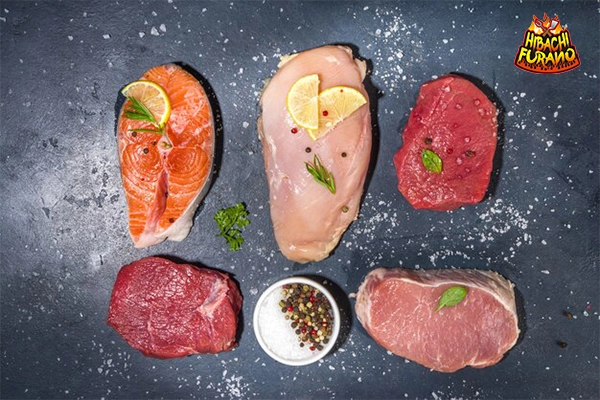
As the embrace of hibachi grew in the US, so did the diversity of its offerings. Traditionally centered around high-quality proteins like steak, chicken, and seafood, hibachi food menus expanded to include an array of vegetables and unique sauces, enhancing the flavors and offerings of the meals.
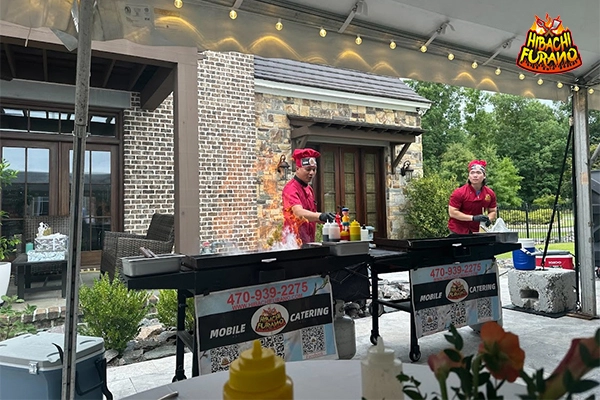
Innovations have seen the creation of mobile hibachi Atlanta services, where chefs bring the spectacle and flavors directly to homes or events. This flexibility has made hibachi a popular choice for special occasions such as hibachi birthday parties and even hibachi theme party events, allowing for an intimate and customizable dining experience.
The adaptability of hibachi has also led to variations in hibachi menu prices, with offerings tailored to various budgets. Whether opting for a simple hibachi lunch or an elaborate dinner experience, the consistent factor is the unique blend of entertainment and cuisine, keeping patrons coming back for more.
One of the most significant facets of hibachi is its ability to mesh with various cultural influences while maintaining its Japanese roots. In the US, hibachi has been embraced into different regional culinary practices, with chefs often infusing local ingredients to cater to local tastes. This is especially evident in cities like Atlanta, where hibachi Atlanta GA services offer specialized menus that feature a mix of traditional and fusion dishes.
Cultural adaptability is also apparent in how hibachi menu items have become integrated into larger dining experiences, such as buffets and fusion cuisines, expanding the scope of culinary offerings. Additionally, the phenomenon of hibachi birthday party and hibachi at home Atlanta events showcases how this style of cooking can be customized into a themed celebration, combining traditional flavors with innovative presentation.
Today, hibachi has entered the realm of bespoke culinary experiences. Businesses offering private chef services now frequently include hibachi as part of their repertoire, allowing for hibachi atlanta experiences to be exclusively tailored with mobile setups. These services promote a personal dining experience, with the chef crafting a hibachi order online to best suit a client’s preferences and occasion.
The demand for tailor-made hibachi experiences continues to increase, underscored by the trend towards hibachi grill and buffet menu options that blend traditional techniques with contemporary flavors. This modern twist makes it easier for food enthusiasts to access curated menus that fit various dietary requirements and event sizes.
For those wondering, "how much does hibachi cost per person?", prices can fluctuate based on the scope of the event and the included menu items. However, whether at a restaurant or as a personalized experience, hibachi prices remain competitive given the unique combination of exceptional food and performance art.
The enduring appeal of hibachi in American cuisine underscores just how adaptable this dining experience has become. From its humble roots in Japan to its transformation into a sought-after culinary event, hibachi continues to evolve, offering both traditional and modern adaptations. This journey illustrates not just a cuisine, but a cultural phenomenon that brings people together over delectable food and exciting presentation.
For anyone considering a foray into hibachi dining, whether through a restaurant visit or a hibachi dinner party at home, the options are expansive and varied. The blend of entertainment and culinary excellence ensures that a hibachi show remains not just a meal, but an anticipated event, enlivening any occasion with flavors and flair