Private Mobile Hibachi Chef at Home. We Serve Atlanta and Surrounding Areas.

When people think about hibachi, their minds often go straight to sizzling steak, juicy chicken, or succulent shrimp. While proteins may take center stage, hibachi vegetables are the unsung heroes that bring balance, flavor, and freshness to every hibachi experience.
Whether you're hosting a backyard gathering, planning a birthday celebration, or booking an at-home hibachi chef, the vegetables served on the grill play a major role in creating the authentic hibachi experience guests love. From their smoky flavor to their nutritional benefits, hibachi vegetables are far more than just a side dish.
One of the reasons hibachi cooking has remained popular for decades is its ability to combine simple ingredients with high-heat cooking techniques. Hibachi vegetables absorb the rich flavors created on the grill while maintaining their natural texture and freshness.
Traditional hibachi vegetables often include:
Zucchini
Onions
Mushrooms
Broccoli
Carrots
Bell peppers
These vegetables are cooked directly on a flat-top grill alongside proteins, allowing them to soak up savory seasonings and develop a lightly caramelized exterior.
The result is a colorful, flavorful addition that complements steak, chicken, seafood, fried rice, and noodles perfectly.
Many people are surprised by how different hibachi vegetables taste compared to vegetables cooked at home. The secret comes down to a few key factors.
Hibachi chefs use extremely hot cooking surfaces that quickly sear vegetables while locking in moisture. This process creates the slightly charred flavor that guests associate with restaurant-quality hibachi.
Unlike many vegetable dishes that rely on heavy sauces, hibachi vegetables typically use a simple combination of:
| Ingredient | Purpose |
|---|---|
| Butter | Adds richness |
| Garlic | Enhances flavor |
| Soy Sauce | Provides umami |
| Salt & Pepper | Balances taste |
| Sesame Oil (optional) | Adds depth |
The simplicity allows the natural flavors of the vegetables to shine.
Fresh vegetables maintain their texture during cooking and provide the vibrant colors that make hibachi meals visually appealing.
As hibachi grill party at home experiences continue to grow in popularity, many hosts are discovering that vegetables are among the most requested menu items.
Zucchini is one of the most common hibachi vegetables because it cooks quickly and absorbs seasoning exceptionally well. Its mild flavor pairs perfectly with grilled meats and seafood.
Onions become sweet and slightly caramelized when cooked on a hibachi grill. They also contribute to the aroma that makes hibachi cooking so memorable.
Mushrooms provide a rich, savory flavor and work well with steak, chicken, and seafood. Their meaty texture makes them popular among vegetarian guests as well.
Broccoli adds freshness and color to the plate while offering a slight crunch that contrasts nicely with fried rice and noodles.
A great hibachi meal is all about balance. While proteins provide richness, hibachi vegetables help create a complete dining experience.
For example:
| Protein | Best Hibachi Vegetables |
|---|---|
| Steak | Mushrooms, onions, zucchini |
| Chicken | Broccoli, carrots, zucchini |
| Shrimp | Bell peppers, onions, broccoli |
| Salmon | Zucchini, mushrooms, carrots |
| Tofu | Mixed vegetables of all kinds |
This balance is one reason hibachi meals appeal to such a wide range of guests.
Today's consumers are increasingly interested in meals that are both enjoyable and balanced. Hibachi vegetables fit perfectly into this trend.
Vegetables naturally provide:
Fiber
Vitamins
Minerals
Antioxidants
Because hibachi cooking relies on quick grilling rather than deep frying, vegetables retain much of their natural texture and nutritional value.
For guests looking for lighter dining options, a plate filled with grilled vegetables alongside lean protein can be both satisfying and flavorful.
When hosting an event, versatility matters. Not every guest has the same dietary preferences, which is why hibachi vegetables are such an important part of the hibachi menu.
They help accommodate:
Vegetarians
Flexitarians
Health-conscious guests
Children who prefer simple foods
Guests seeking lighter meal options
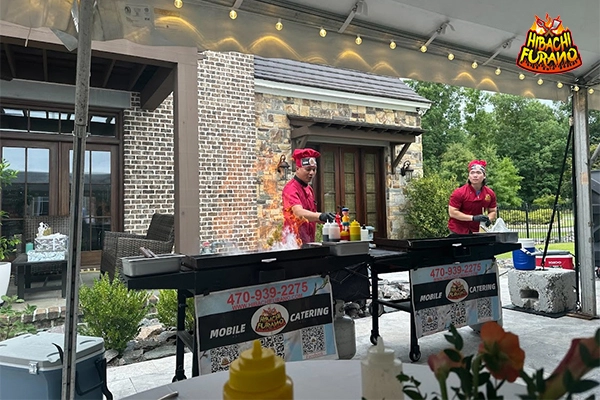
At an ATL Hibachi event, the chef prepares vegetables fresh on-site, creating an interactive experience that entertains guests while ensuring everyone has something delicious to enjoy.
The sight of vegetables sizzling on the grill, combined with the chef's performance and fresh aromas, contributes to the memorable atmosphere that makes hibachi gatherings so popular.
If you're planning an at-home hibachi event, consider offering a variety of vegetables to satisfy different tastes.
A well-rounded selection typically includes:
Zucchini for tenderness
Onions for sweetness
Mushrooms for savory flavor
Broccoli for freshness
Carrots for color
Bell peppers for a mild crunch
This combination creates a vibrant presentation while ensuring guests have plenty of options to pair with their favorite proteins.
While steak, chicken, and seafood often steal the spotlight, hibachi vegetables are what bring balance, flavor, and freshness to the meal. Their smoky grilled taste, colorful presentation, and versatility make them an essential part of any authentic hibachi experience.
Whether you're organizing a birthday party, family gathering, corporate event, or backyard celebration, don't overlook the importance of the vegetables on the grill. They elevate the entire dining experience and help create the perfect combination of flavor, nutrition, and visual appeal that guests remember long after the meal is over.
The most common hibachi vegetables include zucchini, onions, mushrooms, broccoli, carrots, and bell peppers.
Hibachi vegetables are cooked over very high heat with simple seasonings, creating a lightly charred flavor and tender texture.
Yes. Hibachi vegetables are typically grilled rather than fried and provide fiber, vitamins, and minerals as part of a balanced meal.
Absolutely. Many vegetarians enjoy hibachi vegetables paired with fried rice, noodles, or tofu for a satisfying meal.
Zucchini, onions, mushrooms, broccoli, carrots, and bell peppers are among the most popular choices because they appeal to a wide variety of guests.