Private Mobile Hibachi Chef at Home. We Serve Atlanta and Surrounding Areas.

When people think about hibachi steak, they often picture a sizzling grill, impressive chef performances, and a delicious meal shared with family and friends. But beyond the entertainment, many diners are starting to ask another important question: Is hibachi steak actually healthy?
The answer depends on how it's prepared and what you pair it with. The good news is that hibachi steak can be part of a balanced diet, especially when compared to many traditional restaurant meals or fast-food options.
Let's take a closer look at what makes hibachi steak a surprisingly smart choice for health-conscious diners.
One of the biggest nutritional benefits of hibachi steak is its high-quality protein content.
Protein plays an essential role in:
Building and maintaining muscle
Supporting recovery after exercise
Helping you stay full longer
Supporting overall metabolic health
Beef also provides important nutrients such as iron, zinc, and vitamin B12, which help support energy production and immune function.
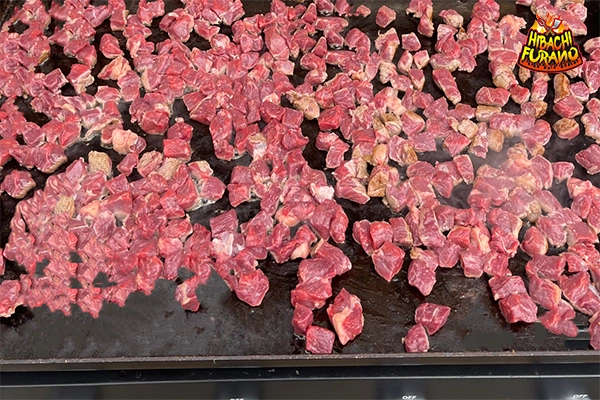
The key advantage of hibachi cooking is that the steak is typically prepared on a flat-top grill using relatively simple ingredients. Unlike heavily breaded or deep-fried meals, hibachi steak relies on high heat and fresh preparation to create flavor.
Many steakhouse meals come with rich cream sauces, loaded baked potatoes, and oversized portions. These additions can significantly increase calories, saturated fat, and sodium.
Hibachi steak, on the other hand, is usually served with grilled vegetables and rice, allowing diners to create a more balanced plate.
Here's a simple comparison:
| Meal Type | Typical Preparation |
|---|---|
| Traditional Steakhouse Steak | Often paired with heavy sides and rich sauces |
| Fast-Food Beef Meal | Frequently processed and served with fried foods |
| Hibachi Steak | Freshly grilled with vegetables and customizable sides |
Because ingredients are cooked directly in front of guests, it's also easier to see exactly how your meal is being prepared.
One reason many nutrition-conscious diners enjoy hibachi steak is the generous serving of vegetables that often accompanies the meal.
Common hibachi vegetables include:
Zucchini
Broccoli
Onions
Mushrooms
Carrots
These vegetables provide fiber, vitamins, and antioxidants while adding flavor and texture to the meal.
A balanced hibachi plate often includes:
Lean protein from steak
Fiber-rich vegetables
Moderate portions of rice
This combination can help support satiety and provide steady energy throughout the day.
While hibachi steak can be a nutritious choice, a few simple adjustments can make it even better.
Many hibachi party menu options allow guests to request additional vegetables. Increasing vegetable portions can help create a more balanced meal while adding nutrients and fiber.
Popular sauces such as Yum Yum Sauce can add flavor but may also contribute extra calories and sodium. Using sauces in moderation can help maintain the nutritional balance of your meal.
Rice can be a valuable source of energy, but portion size matters. Pairing moderate rice servings with steak and vegetables often creates a well-rounded meal.
Choosing water or unsweetened beverages alongside your hibachi meal can help reduce unnecessary added sugars.
Today's consumers are increasingly looking for meals that offer both convenience and quality ingredients.
A hibachi grill at home experience aligns well with these preferences because meals are prepared fresh on-site rather than transported or held under heat lamps.
Guests can often customize:
Protein selections
Vegetable portions
Sauce choices
Side dishes
This flexibility makes hibachi steak suitable for a variety of eating styles, including high-protein and balanced-diet approaches.
When working with a hibachi personal chef, hosts often have more control over menu selections than they would at a traditional restaurant.
This allows guests to:
Request leaner cuts of steak
Add extra vegetables
Adjust portion sizes
Customize meal combinations
For families and groups with different dietary preferences, this level of flexibility can make healthy eating easier and more enjoyable.
Dining out often involves choosing between convenience and nutrition. Hibachi offers a way to enjoy both.
With fresh ingredients, customizable meals, and live cooking entertainment, hibachi steak provides a dining experience that feels indulgent without necessarily being overly heavy.
Whether you're hosting a gathering, planning a hibachi birthday party, or simply looking for a memorable meal, hibachi steak can be a flavorful option that fits comfortably into a balanced lifestyle.
Yes. Hibachi steak is naturally rich in protein and can help support muscle maintenance and satiety.
Generally, yes. Hibachi steak is grilled rather than deep-fried, which typically results in less added fat.
Yes. Hibachi vegetables provide fiber, vitamins, and minerals that help create a more balanced meal.
Most hibachi services allow guests to customize proteins, vegetables, and side dishes based on personal preferences.
It can be. Freshly prepared ingredients, customizable portions, and grilled cooking methods make at-home hibachi a popular choice for health-conscious diners.