Private Mobile Hibachi Chef at Home. We Serve Atlanta and Surrounding Areas.

When you picture a hibachi dinner, you probably imagine flying shrimp tails, a flaming onion volcano, and the satisfying sizzle of steak hitting a hot grill. That spectacle hasn't changed. But what has changed is what goes on that grill before the show even begins.
More and more hosts are asking a question that would have been unusual just a few years ago: where did these ingredients come from? It's not a fussy question anymore. A 2025 survey found that 68% of Gen Z shoppers prioritize transparency over price when buying organic. That mindset has quietly moved from the grocery aisle into the catering world.
This is where Organic Hibachi enters the picture. It takes the energy and entertainment of a private hibachi experience and elevates it with ingredients you can feel genuinely good about serving.
Not all hibachi is created equal. The difference between standard hibachi catering and an Organic Hibachi experience comes down to what you don't see as much as what you do.
A standard hibachi setup brings a grill, a chef, and ingredients. An Organic Hibachi experience, like the one offered by ATL Hibachi, goes further: every protein, every vegetable, and even every sauce is organic. That means the chicken on your plate was raised without routine antibiotics. The zucchini and mushrooms were grown without synthetic pesticides. The soy sauce in that fried rice? Fermented from organically grown whole soybeans rather than conventional alternatives.
Traditional catering often relies on pre-prepared food that sits in warming trays — you have no real visibility into how it was made. With Organic Hibachi, everything is cooked right in front of you. You watch the chef season the vegetables. You see the sauce go on. There's no mystery, and that transparency has become a defining feature of modern dining.
Here's a quick side-by-side look:
| Feature | Standard Catering | Organic Hibachi |
|---|---|---|
| Ingredient sourcing | Typically conventional | USDA-certified organic |
| Preparation method | Pre-cooked, held warm | Grilled fresh on-site |
| Transparency | Limited | Full — you watch it happen |
| Sauces and seasonings | Standard commercial | Organic soy, ginger, garlic |
| Environmental consideration | Varies widely | No synthetic pesticides used |
Anyone who has cooked with organic vegetables knows there's a difference you can taste. Carrots are sweeter. Mushrooms have more depth. Zucchini holds its texture better on a hot teppanyaki grill rather than turning watery.
Research into organic produce has found higher nutritional rates in organically cultivated vegetables, along with the obvious benefit of being grown without chemical fertilizers. When those vegetables hit a hibachi grill, the high heat sears the outside quickly — locking in natural moisture and flavor — while the center stays tender-crisp. Grilling rather than frying helps retain those nutrients.
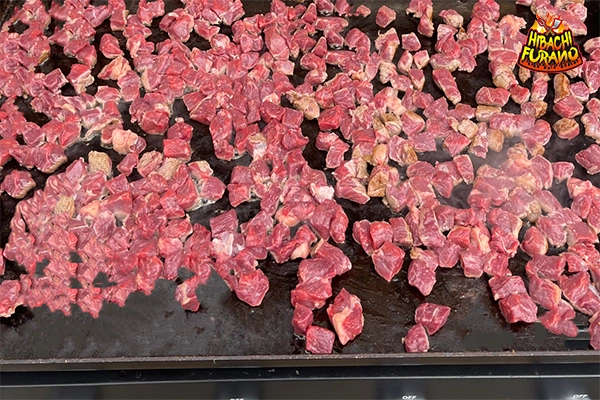
The same principle applies to proteins. Organic chicken, pasture-raised without routine antibiotics, develops a firmer texture and richer flavor that holds up beautifully under high-heat cooking. Organic NY strip steak offers high-quality protein, iron, and zinc. When a skilled hibachi chef sears it on a flat-top grill, the natural marbling caramelizes without needing heavy butter or artificial flavor enhancers.
It's worth noting that even the sauces make a difference. A comparison of organic and conventional Japanese soy sauces found significant differences in their chemical profiles — organic tamari sauces, in particular, showed higher antioxidant capacities and total flavonoid content. That's the kind of detail you don't think about when ordering takeout, but it adds up when every element of the meal follows the same standard.
One of the best-kept secrets about Organic Hibachi is that the cooking method itself is inherently cleaner than most catering options. Teppanyaki-style grilling uses a flat iron surface that requires minimal oil — far less than deep-frying or even pan-frying. Excess fat drips away during cooking, and because the heat is direct and controlled, vegetables and proteins cook quickly without losing their structure or nutritional value.
When you combine that lean cooking technique with organic ingredients, you eliminate two common concerns at once. First, you avoid the synthetic pesticide residues associated with conventionally grown produce. Second, you sidestep the heavy butter and oil overload that can turn a standard hibachi meal into a calorie bomb. One nutritional analysis of hibachi cuisine notes that vegetables like broccoli and zucchini are high in vitamins C and K as well as antioxidants, but warns that excessive oil and butter can undermine those benefits. With Organic Hibachi, the ingredients are already flavorful enough that they don't need to be drowned in sauce to taste good.
Organic jumbo shrimp bring natural sweetness and a dose of omega-3 fatty acids without the chemical inputs of conventional farmed shrimp. Organic tofu provides clean plant-based protein — a great source of iron and calcium. These ingredients speak for themselves on the grill, and a good hibachi chef knows when to let them.
Atlanta's food scene has always been vibrant, but something has shifted in the private event space. Hosts aren't just looking for dinner — they want an experience. And increasingly, they want an experience that aligns with how they eat and live day to day.
Backyard hibachi has already taken off across Atlanta suburbs like Alpharetta, Roswell, and Duluth, driven by the area's outdoor lifestyle and strong community culture. Adding the organic element takes that trend a step further. It appeals to the health-conscious professional hosting a milestone birthday in Buckhead. It resonates with the parent in Sandy Springs who wants to serve food they'd feel good about feeding their kids. It fits the eco-minded couple in Decatur planning an anniversary dinner that reflects their values.
For private events, Atlanta hibachi catering with an organic menu also solves a practical problem: dietary flexibility. One guest is keto, another is vegetarian, and a third is gluten-free. With a private chef cooking each plate to order — using organic vegetables, proteins, and sauces — every person gets exactly what they need without anyone feeling like an afterthought. That level of customization is something traditional catering simply can't match.
If you've never booked a private hibachi chef before, the process is simpler than you might think — and the Organic Hibachi version follows the same straightforward rhythm.
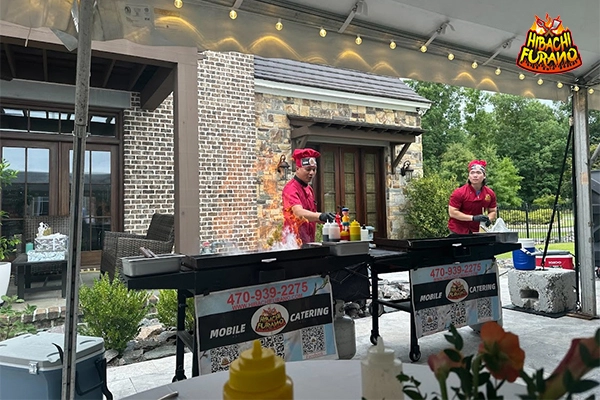
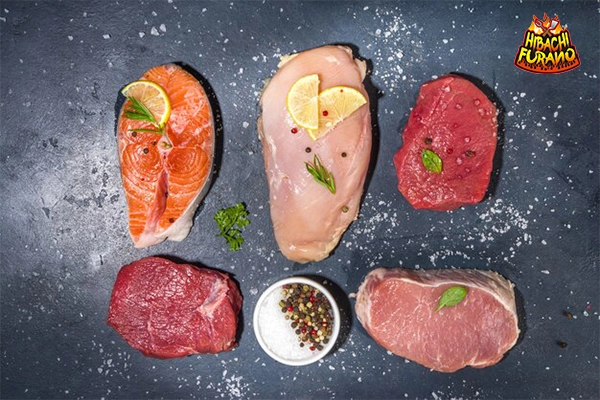
A professional chef arrives at your home with a full mobile grill setup, all the organic ingredients, and everything needed to put on a show. The menu typically includes a choice of two or three organic proteins per guest — options range from organic chicken and jumbo shrimp to NY strip steak, scallops, and salmon, with upgrades like filet mignon and lobster available. Every meal comes with organic vegetables, fried rice prepared on the grill, and dipping sauces made from organic ingredients, creating a customized hibachi party menu tailored to different tastes and dietary preferences.
The cooking itself runs about an hour to an hour and a half. During that time, your guests aren't just waiting for food — they're watching it come together. The onion volcano still erupts. The shrimp still fly. The difference is that everything sizzling on that grill started from a place of quality and care.
Organic Hibachi isn't just a menu upgrade. It's a reflection of how people want to eat now — with intention, with transparency, and without compromising on flavor or fun. Whether you're hosting a backyard birthday, a family reunion, or a corporate team dinner, choosing organic means you're serving food that aligns with a cleaner, more thoughtful way of living.
And here's the best part: you don't have to choose between entertainment and quality. With the right chef and the right ingredients, you get both — on the same grill, at the same time.
A: Organic hibachi means every ingredient — proteins, vegetables, rice, and sauces — is certified organic, produced without synthetic pesticides, routine antibiotics, or chemical fertilizers. At ATL Hibachi, this commitment extends across the entire menu.
A: Many people notice a cleaner, more pronounced flavor. Organic vegetables tend to be sweeter and hold their texture better, while organic proteins develop richer taste under high heat without needing heavy seasoning.
A: Generally, yes. Organic ingredients avoid synthetic pesticide residues. When combined with teppanyaki grilling — which uses minimal oil and retains nutrients — organic hibachi supports a cleaner, more nutrient-dense meal.
A: Absolutely. Guests can choose from organic chicken, jumbo shrimp, NY strip steak, scallops, salmon, tofu, or vegetables, with premium upgrades like filet mignon and lobster available.
A: It's best to book at least two to three weeks ahead, especially during peak seasons like summer and the holiday months. Organic ingredient sourcing requires advance planning, so early booking ensures the best availability.
A: Yes. Because each plate is cooked to order, the chef can easily accommodate vegetarian, gluten-free, low-sodium, and other dietary needs using the organic ingredients on hand.
A: ATL Hibachi serves the greater Atlanta metro area, including Buckhead, Alpharetta, Sandy Springs, Marietta, Decatur, Duluth, and surrounding suburbs. Contact the team directly to confirm availability for your location.
Journal of Sensory Studies. (2024). Texture and Flavor Profiles of Teppanyaki-Style Vegetables.
Cookeryaki. (n.d.). Unraveling the Health Benefits of Teppanyaki Cuisine.
UNESP Repository. (n.d.). Use of Organic Vegetables in Typical Dishes of Japanese Cuisine.
FOODStuff SA. (2025). Five Trends Defining the Next Decade of Food Manufacturing.
Tsuji, S. (2023). Japanese Cooking: A Simple Art. Kodansha International.