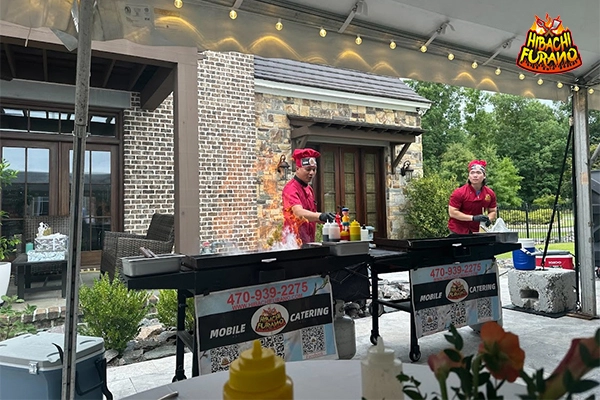
Private Mobile Hibachi Chef at Home. We Serve Atlanta and Surrounding Areas.

Hibachi meals are known for big flavors, sizzling grills, and generous portions. But one question comes up again and again — especially for health-conscious guests:
How many calories are actually in a hibachi meal?
Whether you’re dining out, booking mobile hibachi Atlanta GA, or hosting a hibachi party at home Atlanta GA, the answer depends on what you order and how it’s prepared.
At ATL Hibachi, we believe understanding what’s on your plate helps you enjoy the experience without stress. Let’s break it down in a realistic, easy-to-understand way.
There’s no single calorie number for a hibachi meal. Calories vary based on:
Protein choice
Portion size
Rice or noodles
Sauces and butter
Extra add-ons
A typical hibachi meal can range anywhere from 600 to 1,200+ calories, depending on these factors.
The good news? Hibachi is highly customizable — especially with hibachi at home Atlanta or mobile hibachi catering Atlanta.
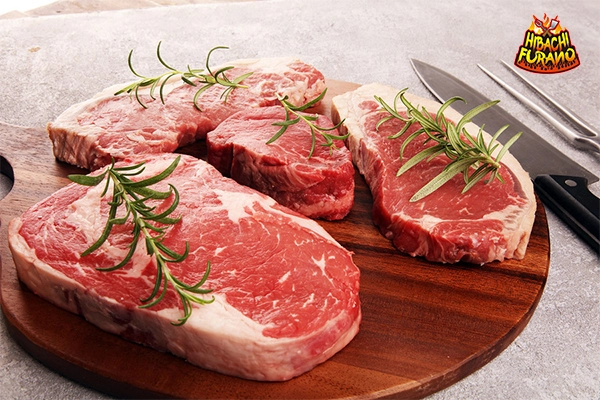
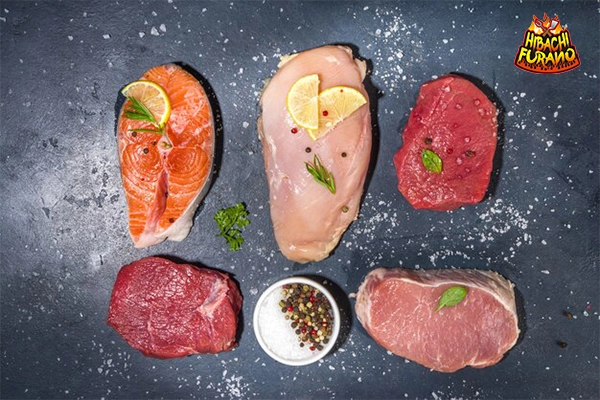
Protein is usually the main calorie driver in a hibachi meal.
Approx. 350–450 calories
Lean protein, especially when grilled with minimal butter
Approx. 300–400 calories
One of the lightest and most popular options
Approx. 500–650 calories
Higher due to fat content and portion size
Approx. 450–550 calories
Healthy fats, but more calorie-dense
Approx. 250–350 calories
Lowest calorie option, high in fiber
When booking a personal hibachi chef Atlanta, you can often request lighter cooking styles to reduce calories further.
Rice is a staple of hibachi — and also where calories sneak in.
350–450 calories per serving
Cooked with oil, butter, egg, and soy sauce
200–250 calories per serving
A lighter alternative with the same satisfaction
400–500 calories
Delicious, but best enjoyed in moderation
Many guests hosting atlanta hibachi at home choose half portions or swap extra veggies for rice.
Sauces may look harmless, but they add up quickly.
Yum yum sauce: 80–100 calories per tablespoon
Teriyaki sauce: 60–80 calories per tablespoon
Garlic butter: 100+ calories per tablespoon
At ATL Hibachi, sauces are typically served on the side — giving guests control over flavor and calories.
Here’s a realistic breakdown for common combinations:
Chicken + fried rice + veggies + sauce
900–1,100 calories
Shrimp + steamed rice + veggies + light sauce
650–800 calories
Steak + noodles + butter + sauce
1,100–1,300+ calories
Vegetable hibachi + steamed rice
500–650 calories
As you can see, small choices make a big difference.
One advantage of booking hibachi chef at home Atlanta or mobile hibachi catering is control.
At home, you can:
Ask for less oil or butter
Request extra vegetables
Choose lean proteins
Control portion sizes
Decide how much sauce you use
This is why many people find hibachi atlanta at home easier to fit into a balanced lifestyle than restaurant dining.
If you’re watching calories, try these simple strategies:
Choose shrimp or chicken
Go half fried rice, half veggies
Ask for sauces on the side
Skip extra butter
Eat slowly and enjoy the experience
Hibachi is meant to be fun — not stressful.
When people ask how much is hibachi catering, they often focus on price. But calories are part of value too.
A hibachi meal is:
High in protein
Filling and satisfying
Customizable
Cooked fresh on-site
Compared to many takeout or fast-casual meals, hibachi can actually be a more balanced option when ordered mindfully.
Most hibachi meals fall somewhere between 700 and 1,200 calories, but there’s a big range. A lighter plate with shrimp, veggies, and steamed rice will be much lower than steak with fried rice, noodles, and extra sauce. It really depends on what ends up on your plate.
Shrimp is usually the lightest option, followed closely by chicken. If you pair either one with vegetables and go easy on the rice and sauces, hibachi can be surprisingly reasonable calorie-wise.
For many people, yes. When you do hibachi at home, you can ask the chef to use less butter, serve sauces on the side, or give you extra veggies instead of more rice. That kind of control is harder to get at a busy restaurant.
It’s usually not the protein — it’s the extras. Fried rice, noodles, garlic butter, and creamy sauces like yum yum add calories fast. Even small amounts can make a big difference by the end of the meal.
Not really. Hibachi is grilled, made fresh, and protein-heavy, which is a good starting point. It only becomes “unhealthy” if portions get very large or everything is loaded with butter and sauce.
Yes — plenty of people do. The key is being intentional: choose lean protein, don’t drown everything in sauce, and listen to your hunger instead of eating just because it’s there.
A few simple changes help a lot:
Ask for sauces on the side
Do half rice, half veggies
Skip extra butter
Eat slowly and enjoy the experience
You still get all the flavor, just without the food coma.
So, how many calories are in a hibachi meal?
It depends — but that’s actually a good thing.
Hibachi gives you flexibility, control, and fresh ingredients. Whether you’re dining out or hosting mobile hibachi Atlanta, you can enjoy bold flavors while still making choices that align with your goals. At ATL Hibachi, we believe great food should fit your lifestyle — not fight it.
Eat well. Enjoy the show. And savor every bite.