Private Mobile Hibachi Chef at Home. We Serve Atlanta and Surrounding Areas.

What vegetables are in hibachi? The classic Japanese steakhouse vegetable medley consists of sliced zucchini and white onions, often sautéed with soy sauce, garlic butter, and toasted sesame seeds. At ATL Hibachi, we elevate these sides by using farm-fresh produce, ensuring every bite of our signature fried rice and noodles is as flavorful as the premium proteins we serve.
While the flame-seared lobster and filet mignon often get the spotlight, any true fan knows that a meal is only as good as its sides. The "Hibachi experience" is a symphony of textures—the crunch of the vegetables, the chew of the noodles, and the fluffiness of the rice.
When designing our hibachi mobile menu, we spent months perfecting the "supporting cast." We believe that the vegetables and grains shouldn't just be fillers; they should be crave-worthy components that guests talk about the next day. This dedication to detail is what sets atl hibachi apart from standard catering.
What makes our rice so addictive? It’s a combination of "Wok Hei" (the breath of the wok/grill) and our secret garlic butter.
The Rice: We use a high-quality short-grain rice that holds its shape under high heat.
The Technique: Our chefs use a rhythmic chopping motion to ensure the egg, peas, carrots, and seasonings are distributed perfectly.
For those hosting a backyard hibachi atlanta party, the sight of the rice "beating heart" trick is always a crowd favorite. It’s not just food; it’s an interactive story told through steam and soy sauce.
In many traditional restaurants, noodles are an "add-on." At ATL Hibachi, we see them as a vital part of the plate. We use yakisoba-style noodles that are flash-fried on the grill to give them a slightly crispy exterior while remaining tender inside.
When people ask about the hibachi catering cost, they are often surprised to learn how much labor goes into these "simple" sides. The noodles are tossed in a proprietary blend of savory sauces that complement the sweetness of our grilled shrimp and scallops perfectly.
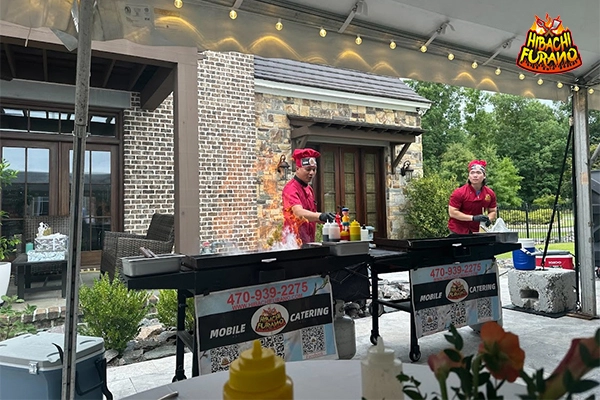
One of the major benefits of hibachi atlanta at home is transparency. You see the chef pull the fresh zucchini and onions straight from the prep cooler. There are no "steam tables" or "warmers" here.
We choose vegetables that can withstand high heat without becoming mushy. The quick sear locks in the nutrients and the natural sugars of the onions, creating a caramelization that you simply can't get from a standard kitchen stir-fry. If you've ever wondered what is hibachi supposed to taste like at its peak, it’s the taste of a vegetable that was sliced and seared only seconds before it hit your plate.
We use Calrose or similar short-grain Jasmine rice. The key is that it must be cooked and then cooled completely before grilling; fresh, warm rice contains too much moisture and will become gummy on the iron plate.
The secret is the combination of high heat and "Garlic Butter." The high temperature of the professional grill evaporates the water in the zucchini quickly, preventing it from getting soggy, while the butter adds a rich, savory finish.
Absolutely! We offer a "Veggie Lover’s" package that features a double portion of our signature vegetables, mushrooms, and extra tofu. Because we cook everything fresh to order, we can ensure the vegetarian portions are handled with care.
It is a "Miyabi" or "Clear Soup." It is a light, onion-based broth made by simmering beef or chicken stock with toasted onions, mushrooms, and scallions for several hours. It’s the perfect light starter to prepare your palate for the rich meal ahead.
Journal of Sensory Studies. (2024). "Texture and Flavor Profiles of Teppanyaki-style Vegetables."
Tsuji, S. (2023). Japanese Cooking: A Simple Art. Kodansha International.
The Daily Meal. (2025). "The Secret Ingredients in Japanese Steakhouse Fried Rice."https://www.thedailymeal.com
USDA. (2026). Nutritional Guidelines for Grilled Asian Cuisine.
Other popular articles:
How to Host the Ultimate Hibachi Birthday Party at Home in Atlanta?
What is Hibachi? Exploring the Art of Japanese Grilling with Hibachi Furano
Hibachi Catering Guide for 2025: Atlanta-Style Hibachi at Home